
Introduction to Smart Technology Trends
Smart technology is no longer a thing of the future—it’s all around us, quietly shaping the way we live, work, and connect. From smartphones that can anticipate your needs to home devices that learn your daily routines, smart technology trends are evolving rapidly, and staying updated is becoming essential. Understanding these trends helps individuals and businesses adapt to change, make informed decisions, and explore new opportunities that technology opens up.
The pace at which smart technology is advancing is remarkable. What was cutting-edge just a few years ago can feel outdated today. These trends don’t just affect gadgets—they’re influencing industries like healthcare, education, transportation, and energy management. Smart technologies are making tasks more efficient, automating repetitive processes, and offering personalized experiences that were once unimaginable.
Moreover, being aware of emerging trends is about more than just convenience. It’s about understanding how our lives are intertwined with technology and how we can leverage it responsibly. Whether it’s optimizing energy consumption with smart systems or improving personal productivity with intelligent apps, the impact is tangible.
Ultimately, the trends in smart technology are a reflection of human creativity, problem-solving, and the constant quest for improvement. By exploring and embracing these trends, we’re not only enhancing our daily lives but also preparing ourselves for a future where smart technology will become even more integral.
What is Smart Technology?
Smart technology refers to devices and systems that can perform tasks with minimal human intervention, often using data, sensors, and algorithms to “learn” and adapt. This could be as simple as a thermostat that adjusts room temperature based on your habits or as complex as AI-driven industrial systems predicting maintenance needs.
At its core, smart technology aims to make life easier, more efficient, and more connected. It combines hardware, software, and connectivity to provide insights, automate processes, and offer personalized experiences. The “smart” aspect comes from its ability to process information, recognize patterns, and respond intelligently to changing conditions.
A key feature of smart technology is adaptability. Unlike traditional devices, which operate the same way every time, smart devices evolve based on user behavior. For instance, a smart fridge may suggest recipes based on available ingredients or track expiration dates. Similarly, smart transportation systems can optimize routes based on real-time traffic data.
Understanding what smart technology is helps us see the bigger picture. It’s not just about gadgets or apps—it’s a shift in how we interact with the world, how systems communicate with each other, and how technology supports human decision-making. Recognizing its potential is the first step in embracing and benefiting from the trends shaping our modern life.
Importance of Staying Updated with Trends
Keeping up with smart technology trends is no longer optional—it’s essential. Rapid innovations mean that yesterday’s breakthrough can become today’s standard, and missing out could leave individuals and businesses struggling to keep pace. Staying updated ensures you leverage the latest tools, enhance productivity, and remain competitive in a fast-evolving environment.
For professionals, understanding emerging smart technologies can influence career growth, business strategy, and market positioning. Companies that adopt trends early often gain a competitive edge, whether it’s through smarter customer experiences, optimized operations, or new product development. On a personal level, staying informed allows individuals to make better lifestyle choices, like using wearable devices for health tracking or implementing smart home solutions for energy efficiency.
Trends also provide insight into the direction technology is heading. By recognizing patterns, we can anticipate challenges and opportunities, such as cybersecurity risks, data privacy concerns, or the potential for automation to replace repetitive tasks. This awareness allows for proactive adaptation rather than reactive adjustments, which is crucial in a world where technology evolves daily.
Moreover, embracing trends fosters innovation and creativity. It encourages experimentation with new tools and applications, inspiring solutions that may not have been possible otherwise. In short, staying updated isn’t just about following the crowd—it’s about empowering yourself to thrive in a connected, intelligent world.
Artificial Intelligence and Machine Learning Innovations
Artificial Intelligence (AI) and Machine Learning (ML) are at the forefront of smart technology trends, reshaping how we live, work, and interact with the world. These technologies go beyond traditional programming, allowing machines to learn from data, recognize patterns, and make decisions with minimal human input. From personal assistants like Siri or Alexa to advanced predictive analytics in businesses, AI and ML are everywhere.
One of the most remarkable aspects of AI is its ability to personalize experiences. For instance, streaming platforms use AI to recommend shows based on viewing history, while e-commerce sites tailor product suggestions to individual preferences. Businesses harness AI to optimize operations, enhance customer service, and even detect fraudulent activities. Machine Learning, a subset of AI, powers many of these capabilities by continuously improving performance through data analysis and pattern recognition.
The impact of these innovations extends to industries like healthcare, where AI helps in diagnosing diseases, predicting patient outcomes, and developing personalized treatment plans. In transportation, AI-driven systems improve traffic flow and enable self-driving vehicles. Even creative fields like music, art, and writing are experiencing AI integration, showing that technology isn’t just functional—it’s increasingly creative.
However, as AI and ML evolve, ethical considerations and responsible use are critical. Questions about data privacy, algorithmic bias, and job displacement need careful attention. Despite these challenges, the potential benefits are immense, making AI and ML indispensable components of modern smart technology.
AI in Everyday Devices
AI isn’t just in laboratories or massive corporate systems—it’s in the devices we use daily. Smartphones, smart speakers, home appliances, and even vehicles are becoming intelligent, responding to our habits and making life easier. For example, AI-powered virtual assistants can schedule appointments, provide traffic updates, or even control smart home devices with simple voice commands.
Another example is AI in cameras and photography. Modern smartphones use AI to adjust lighting, focus, and colors automatically, creating professional-looking photos without any manual effort. Similarly, AI in wearable devices can track health metrics, recognize anomalies, and even suggest personalized fitness plans.
The magic lies in the continuous learning aspect. These devices gather data from user behavior, analyze it, and adapt over time. The more we use them, the better they perform. This isn’t just convenience—it’s a subtle shift in how we interact with technology, turning tools into intelligent companions that anticipate needs and enhance daily life.
Machine Learning Applications Across Industries
Machine Learning is transforming industries by providing data-driven insights and automating complex tasks. In healthcare, ML models analyze patient data to predict disease outbreaks or recommend treatments. In finance, ML helps detect fraud, optimize trading strategies, and assess credit risk more accurately than traditional methods.
Retail and marketing also benefit. ML algorithms track customer behavior, predict trends, and suggest personalized products, creating a more engaging shopping experience. Even agriculture is seeing ML applications, with predictive models helping farmers optimize crop yields, detect pests early, and manage resources efficiently.
Industries are recognizing that Machine Learning isn’t just a tool—it’s a strategic advantage. Companies that adopt ML early gain deeper insights, operational efficiency, and enhanced customer satisfaction. As data generation grows, ML will continue to be a driving force behind smarter, more adaptive businesses.
Internet of Things (IoT) Advancements
The Internet of Things (IoT) is a revolutionary concept that connects everyday devices to the internet, enabling them to collect, exchange, and act on data. From smart homes to industrial systems, IoT is transforming how we interact with technology, making our environment more intelligent and responsive. The essence of IoT lies in connectivity—devices communicating with each other and with users, creating a seamless ecosystem that enhances efficiency and convenience.
IoT advancements are happening rapidly. Smart sensors, cloud computing, and improved connectivity allow devices to operate more intelligently and collaboratively. These innovations aren’t just about convenience—they have real-world applications that impact productivity, safety, and sustainability. For instance, smart thermostats adjust energy usage based on occupancy, while connected health devices monitor vital signs in real-time, alerting users or medical professionals to potential issues.
The potential of IoT stretches across industries. In manufacturing, IoT devices enable predictive maintenance, reducing downtime and costs. In logistics, connected sensors track shipments in real-time, improving accuracy and efficiency. Even cities are becoming “smarter,” with IoT-powered traffic management systems reducing congestion and pollution while optimizing public transport.
Despite its benefits, IoT also raises challenges like data security, privacy concerns, and standardization. However, the overall trajectory is clear: IoT is making our world more interconnected, intuitive, and efficient, fundamentally changing the way we live, work, and move.
Smart Homes and Connected Devices
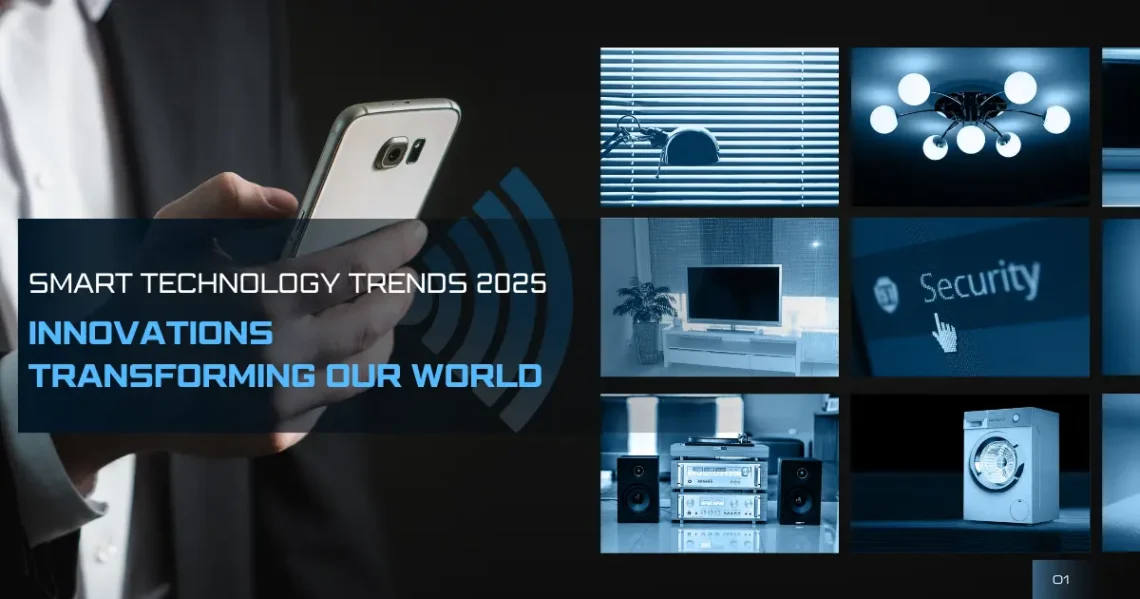
Smart homes are perhaps the most visible manifestation of IoT in daily life. Devices like smart lights, thermostats, security cameras, and voice-controlled assistants are becoming increasingly common, creating homes that respond to our habits and preferences. Imagine waking up to a coffee machine that starts brewing as your alarm goes off, lights adjusting automatically, and your thermostat setting the perfect temperature—all seamlessly coordinated.
These devices collect and analyze data to optimize performance, save energy, and enhance comfort. For example, smart refrigerators can track inventory, suggest recipes, and even alert users when items are nearing expiration. Security systems can detect unusual activity and notify homeowners instantly, providing peace of mind.
Beyond convenience, smart home devices also encourage sustainability. Automated lighting, climate control, and energy monitoring help reduce waste, lowering utility bills while contributing to environmental conservation. The smart home trend is not just about luxury—it’s about creating efficient, adaptive, and user-centric living spaces that evolve with our lifestyle.
Industrial IoT and Smart Cities
IoT isn’t limited to homes; its impact on industries and urban infrastructure is profound. Industrial IoT (IIoT) connects machinery, sensors, and analytics platforms to improve productivity, safety, and operational efficiency. Factories can monitor equipment in real-time, predict failures before they happen, and optimize supply chains, significantly reducing downtime and costs.
Smart cities use IoT to enhance urban living. Traffic lights, waste management, water supply systems, and public transport networks can all be connected, monitored, and optimized. For instance, sensors can detect congestion, rerouting vehicles automatically, or track energy usage across city buildings to reduce waste. Even emergency services benefit, with IoT providing real-time data for faster response times.
The combination of IIoT and smart city initiatives promises a future where technology not only simplifies life but also addresses broader challenges like sustainability, efficiency, and safety. While there are hurdles like cybersecurity and privacy, the benefits of connected devices are undeniable, paving the way for smarter, more adaptive urban environments.
5G and Connectivity Enhancements
The rollout of 5G technology is one of the most significant developments in smart technology trends. Offering faster speeds, lower latency, and greater connectivity, 5G is transforming how devices communicate, making the Internet of Things, smart cities, and real-time applications more effective than ever. This next-generation network is not just an upgrade—it’s a game-changer that unlocks possibilities previously limited by slower networks.
With 5G, downloading large files, streaming high-definition content, and running real-time applications become seamless experiences. Smart devices, from autonomous vehicles to wearable tech, can exchange information instantaneously, enabling smarter decision-making. The low latency of 5G allows critical systems, like remote surgeries or emergency response networks, to operate with precision and reliability.
Moreover, 5G is a catalyst for innovation. It supports the massive growth of connected devices and sensors, empowering industries to develop smarter solutions. From predictive maintenance in manufacturing to advanced traffic management in urban areas, 5G enables technologies that require rapid data processing and high-speed communication.
While 5G adoption is still in progress worldwide, its potential is undeniable. The technology paves the way for a more connected, intelligent, and efficient future, where devices not only perform tasks faster but collaborate more effectively, enhancing both convenience and productivity.
Faster Mobile Networks
One of the most obvious benefits of 5G is its speed. Unlike previous generations, 5G can handle massive data transfers almost instantaneously. This means buffering during video calls or streaming becomes nearly obsolete, and downloading large files can take mere seconds. For users, this translates into smoother online experiences and higher productivity.
Faster networks also enable smarter apps. Augmented reality (AR) and virtual reality (VR) applications, which require real-time processing, are becoming more practical with 5G. Gaming, live streaming, and interactive learning platforms benefit tremendously, providing immersive experiences that were previously limited by slower connections.
Furthermore, speed isn’t the only factor. 5G networks can handle more devices simultaneously without congestion, making it ideal for environments with dense populations or multiple connected gadgets. This is critical for smart homes, offices, and public spaces where connectivity is vital.
Impact on Smart Devices
The enhanced connectivity of 5G directly affects the performance and capabilities of smart devices. IoT devices, AI-driven systems, and wearable technology can now communicate and process information faster, allowing for more accurate predictions and real-time adjustments.
For instance, autonomous vehicles rely on instant communication with surrounding cars, traffic signals, and road infrastructure. 5G ensures these interactions happen without delay, improving safety and efficiency. Similarly, wearable health devices can transmit vital data to healthcare providers in real-time, enabling quicker interventions and personalized care.
The integration of 5G with smart devices isn’t just about speed—it’s about enabling a new level of intelligence, collaboration, and responsiveness. Devices are no longer isolated tools; they become part of a dynamic network that learns, adapts, and enhances daily life.
Wearable Technology Trends
Wearable technology has evolved far beyond simple fitness trackers. Today, wearables are sophisticated devices capable of monitoring health, enhancing productivity, and even integrating with augmented reality (AR) and virtual reality (VR) systems. As smart technology trends progress, wearables are becoming indispensable in both personal and professional contexts, offering insights and convenience previously unimaginable.
Health and wellness are at the forefront of wearable innovation. Devices track heart rate, sleep patterns, physical activity, and even blood oxygen levels. Some advanced wearables can detect early signs of illness or irregular health patterns, providing real-time data to users and medical professionals. This integration of technology and healthcare empowers individuals to take proactive measures for their wellbeing.
Beyond health, wearables enhance daily life. Smartwatches, AR glasses, and connected earbuds provide notifications, navigation, and even translation services, making interactions seamless and efficient. In professional settings, wearables improve communication, enable hands-free access to information, and support remote collaboration, highlighting the versatility of these devices.
As trends continue, we see wearables merging with AI and IoT, allowing smarter decision-making and more personalized experiences. The ability to collect, analyze, and act on real-time data makes wearables a cornerstone of modern smart technology.
Health and Fitness Wearables
Fitness and health-focused wearables remain among the most popular devices. They monitor daily activities like steps taken, calories burned, and exercise intensity. Advanced models go further, tracking sleep quality, stress levels, and even detecting abnormal heart rhythms or blood pressure fluctuations.
The real advantage lies in data-driven insights. Wearables analyze collected information and provide recommendations, helping users improve lifestyle habits. For instance, a device may suggest longer sleep cycles, adjust exercise plans, or alert users to potential health risks. Some wearables integrate with telemedicine platforms, allowing doctors to remotely monitor patients and respond proactively to medical issues.
Health and fitness wearables are not only about personal improvement—they’re about creating a deeper connection between technology and human wellbeing, empowering users to live healthier, more informed lives.
Smart Watches and AR/VR Gadgets
Smartwatches are evolving into compact hubs of information and productivity. Beyond notifications and calls, they support apps, GPS tracking, payment systems, and even health monitoring. These devices integrate seamlessly with smartphones and other smart home systems, offering convenience on the go.
AR and VR wearables are also gaining momentum. AR glasses overlay digital information onto the real world, assisting in navigation, training, and entertainment. VR headsets create immersive experiences for gaming, education, and professional simulations. Together, these devices push the boundaries of how we perceive and interact with the digital world.
By combining wearables with AI and IoT, users gain highly personalized experiences. Devices anticipate needs, provide actionable insights, and adapt to lifestyles, demonstrating how wearable technology is not just about convenience—it’s about creating smarter, more connected lives
Conclusion
Smart technology trends are reshaping the world around us, touching nearly every aspect of our daily lives. From AI and machine learning to IoT, wearables, 5G, and robotics, these innovations are making life more connected, efficient, and personalized. They are not just tools—they are partners, anticipating our needs, optimizing our routines, and enhancing our experiences.
The pace of change can feel overwhelming, but staying informed allows us to harness these technologies responsibly. Understanding emerging trends empowers individuals to make smarter lifestyle choices, helps businesses maintain a competitive edge, and ensures society benefits from the transformative potential of innovation.
While there are challenges—such as privacy concerns, cybersecurity risks, and the ethical use of AI—the overall trajectory is positive. Smart technology is about improving quality of life, increasing productivity, and creating opportunities we never thought possible.
As we move forward, embracing these trends with awareness and adaptability will be key. The future is not just about technology—it’s about how we integrate it meaningfully into our lives, ensuring it serves humanity while driving progress. Staying curious, open, and informed will allow us to thrive in a world increasingly shaped by intelligent, connected, and responsive technologies.
FAQ
What is considered smart technology?
Smart technology refers to devices or systems that can collect data, analyze it, and make decisions or perform tasks automatically. Examples include smart home devices, wearable health trackers, AI-powered apps, and connected industrial machines. The “smart” aspect comes from their ability to adapt, learn, and improve performance over time.
Why are smart technology trends important?
Smart technology trends are important because they influence how we live, work, and interact with the world. Staying updated helps individuals use devices efficiently, businesses optimize operations, and society embrace innovations responsibly. Following trends ensures you don’t fall behind as technology evolves rapidly.
How does AI impact everyday life?
AI impacts everyday life by powering virtual assistants, recommending personalized content, detecting fraud, optimizing transportation, and even assisting in healthcare. It makes processes more efficient, decisions smarter, and experiences more personalized, often without us noticing the complexity behind it.
What are the benefits of IoT devices?
IoT devices offer convenience, efficiency, and connectivity. They enable smart homes, monitor health, optimize industrial processes, and improve city infrastructure. By collecting and sharing data, IoT devices help make informed decisions, save energy, and streamline daily life.
Are wearable devices really useful?
Yes, wearable devices are highly useful. They track fitness, monitor health metrics, provide notifications, and even assist in professional or AR/VR applications. Their ability to provide real-time insights and personalized recommendations makes them valuable for both personal wellbeing and productivity.
How will 5G influence smart technology?
5G enhances smart technology by providing faster speeds, lower latency, and greater connectivity. This allows devices to communicate instantly, supports real-time applications like autonomous vehicles or remote surgery, and enables smoother performance for IoT, AI, and wearable devices.
.